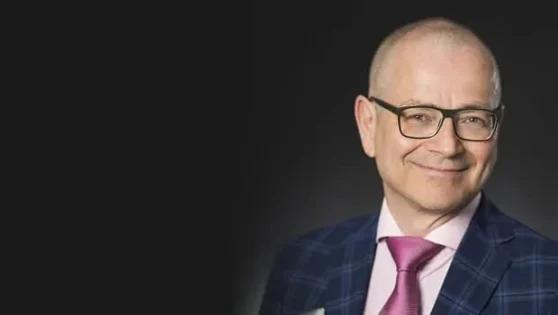


Discipline, empathy, and the art of subtle transformation—from Tokyo to the global stage.
In this edition of Inside the Aesthetic Mind, we’re honored to feature Dr. Nariaki Miyata, a board-certified plastic surgeon with over a decade of experience in reconstructive surgery, and the founder of Miyata Plastic Surgery & Skin Clinic in Tokyo. With a clinical background rooted in discipline and precision—and a heart for patient-centered care—Dr. Miyata shares his vision of modern aesthetics: refined, respectful, and rooted in science.
Interview Questions:
1. What inspired your transition into private aesthetic practice?
Around 2000, new devices for laser hair removal and wrinkle treatment appeared and signaled a new era, so I decided to enter medical aesthetics. At the time, you couldn’t survive without performing cosmetic surgery, but since reconstruction always involves aesthetics, I began studying at a medical aesthetics clinic and met an outstanding mentor who greatly influenced my career.
I didn’t expect non-invasive treatments to grow as large as they have, but I was certain the field would expand. Hair removal was already transforming the market, yet price competition made it difficult to survive with that alone. I realized it would become an area where a doctor’s skill made little difference, so I needed to pursue other areas. As more innovative devices appeared, I gradually shifted my focus.
2. What distinguishes a good aesthetic doctor from a truly exceptional one?
The key difference is whether a doctor can confidently say, “This is the kind of doctor he/she is.” Everyone is capable, but staying updated and having a strong foundation is essential. Many doctors lack solid fundamentals, so first you build that, then keep pace with where the world is heading. An excellent doctor balances science-based understanding with proactive adoption of new approaches.
Since aesthetics isn’t taught at university, learning depends on individual effort. Young doctors differ in whether they work just to earn money or to truly learn. It depends on who they learn from and whether they attend conferences, study properly, and read research and books.
3. What role will Alma’s Unipolar RF technology play in the future of non-invasive treatments?
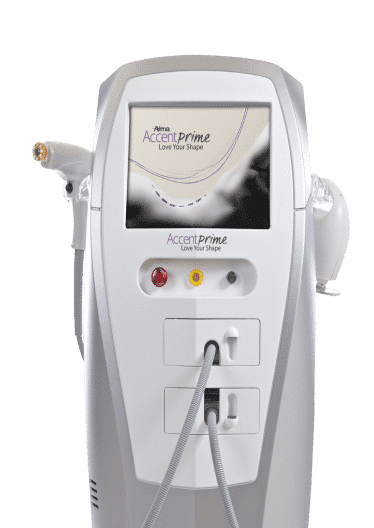
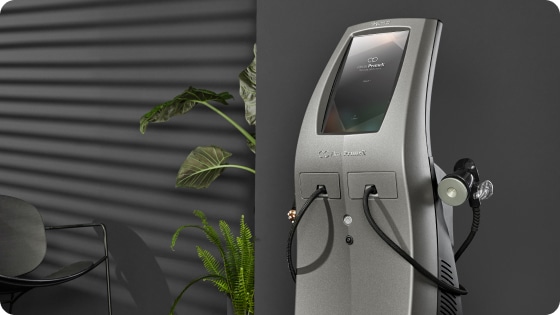
We’re entering an era of Prejuvenation. It’s a new concept, but its emergence shows the direction of the industry. There’s a growing market focused on maintaining youthfulness, and deep tissue heating to improve overall skin condition will become a major focus. It’s a different approach from other devices – a new axis centered on Prejuvenation. Devices suited for this field will grow, and I believe Alma PrimeX will lead as a major innovator.
4. What common mistake do young practitioners make?
Today the industry is extremely complex. The theories behind devices are intricate, and success isn’t guaranteed by simply purchasing one device. Young doctors face a complicated time with no single right answer, so they must take a comprehensive view.
For building repeat patients, honesty is essential. Providing reliable information, and even advising against treatment when necessary, builds trust. When patients feel you’re genuinely guiding them, they return. It’s not easy, but it’s crucial.

5. How do you balance innovation with clinical responsibility?
As we age, we tend to avoid new things, but to provide the best care, embracing innovation is essential. Staying in Japan alone isn’t enough, so I gather information abroad and build networks. I never rely only on company claims; I consult doctors ahead of the curve and verify firsthand.
If I have even slight doubts about safety, I won’t adopt a treatment, no matter how popular. Some treatments seem effective early on, but problems appear after more cases. That’s why I always check with experienced doctors and review literature. Strong relationships with companies and global networks are both vital. Having a global perspective is extremely important.
6. How does Japanese aesthetic culture influence your philosophy?
Japanese patients tend to be conservative, preferring minimal downtime but highly refined results. A small asymmetry or unevenness is often unacceptable. They don’t want big changes but expect perfection in details. This influences our treatments, we adapt overseas protocols to be more delicate and precise and pursue “Japan Quality,” correcting even small imperfections.
7. What advice do you give patients asking for overly drastic results?
I often say 70% success is ideal. The remaining 30% is worth leaving as it is. Aiming for 100% perfection leads to endless treatments and unnatural results. That “just a bit more” feeling reflects a Japanese sense of beauty.
I also tell patients to aim for “your actual age minus five years.” Looking 30 at 40 is nice, but looking 35 at 60 is unrealistic. Always aiming for five years younger is sustainable and natural. The goal is to age beautifully and gracefully – which is the essence of Prejuvenation.
8. How important is staying active in medical societies?
It’s essential not only to embrace new things but to share knowledge as medical scholars. Academic conferences allow us to share what we learn and build connections. To stay relevant, we must understand industry trends. If we don’t move with that momentum, we fall behind. Participation keeps us connected, informed, and involved in shaping the field.

9. What long-term mindset should clinics embrace for competitive and ethical success?
Competitiveness and ethics can seem in tension, but long-term success is impossible without ethics. After 25 years, I’ve learned that ethical integrity allows a clinic to survive. If doctors treat patients as income sources and ignore their long-term well-being, consequences inevitably arise.
If you act with conviction and always take the patient’s side, patients return for decades and refer others. Even if criticism arises, loyal patients defend you. That trust becomes true competitive strength.
Quick Fire Round
Quick Fire Round (即答Q&A)
Surgical precision or non-invasive power?
Non-invasive power
Facial harmony or body confidence?
Both
Most powerful tool in a consultation?
Integrity
One word that defines your approach to aesthetics?
Geek


 Dr. Fernando Urdiales, Dr. Ines Verner, Dr. Ko Jung